
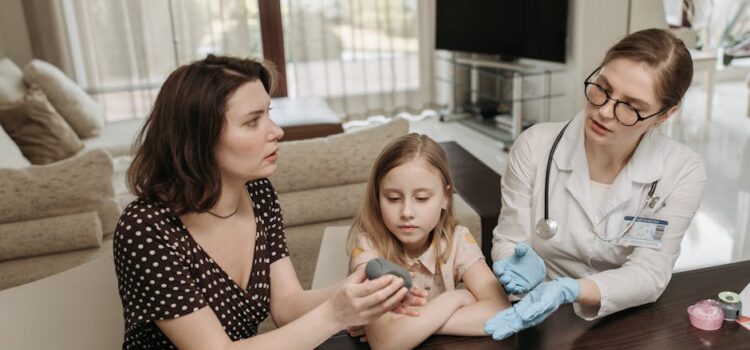
When a child in your family faces a serious medical condition, it’s not just the child and their primary caregivers who are impacted. Siblings often carry a unique burden, navigating confusion, fear, and sometimes even resentment, all while trying to understand what’s happening to their brother or sister. Finding the right words, at the right time, and in a way that truly resonates with their age and understanding, can feel like an impossible task.
You want to protect them, but you also know honesty builds trust. You want them to feel included, not sidelined, in their sibling’s journey. It’s a delicate balance, and we know how challenging these conversations can be.
At Victory by Vivian, we walk with families around the times of a medical crisis, offering practical help and emotional support. We’ve seen firsthand how crucial it is to bring the whole family along, ensuring siblings feel seen and heard during their brother or sister’s medical journey. Understanding how to talk to them, age by age, helps everyone adapt and build resilience. If you’d like to learn more about how we stand with families through these times, please visit our Viv’s Kids stories.
What Is a Chronic Medical Condition in Childhood?
A chronic medical condition in childhood refers to a health issue that lasts for at least 12 months, or is expected to last for 12 months, and affects daily functioning or requires ongoing medical care. These conditions can range from asthma and diabetes to complex congenital anomalies or rare genetic disorders, deeply influencing a child’s development and family life.
For families, these conditions aren’t just medical diagnoses; they become central to daily routines, hospital visits, and future planning. Children with chronic illnesses may experience pain, fatigue, social isolation, and developmental delays. Their siblings often witness these struggles, which can lead to a wide range of emotions and questions. According to the Centers for Disease Control and Prevention (CDC), chronic health conditions affect approximately 1 in 5 school-aged children and adolescents in the United States, highlighting the widespread impact on families.
How Do Siblings React to a Child’s Medical Condition?
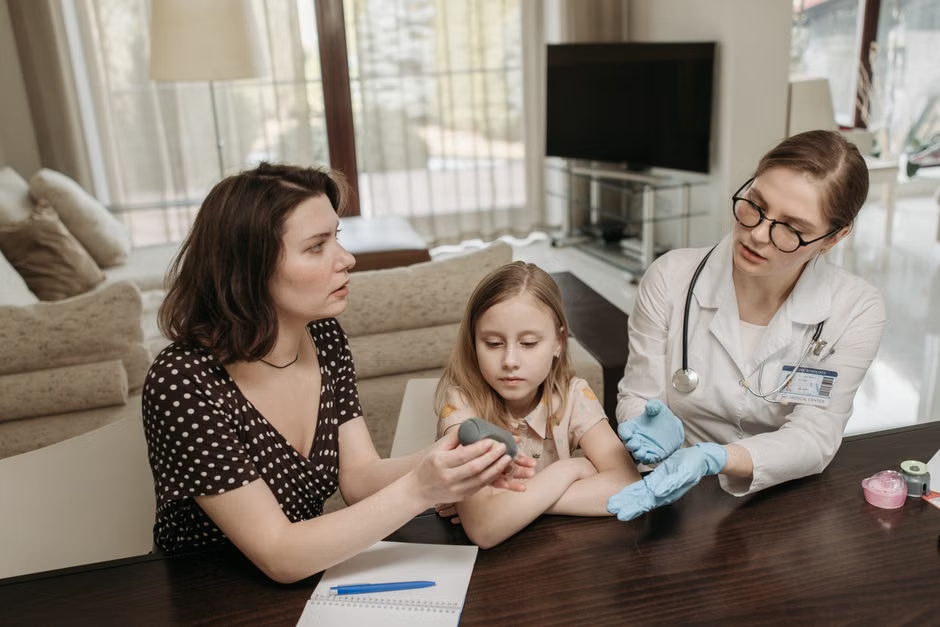
Siblings can exhibit a wide spectrum of reactions when a brother or sister has a serious medical condition, often feeling a mix of complex emotions. It’s not uncommon for them to feel overlooked, guilty, angry, or anxious, alongside their love and concern for their ill sibling. Their behavior might change, and they might struggle with academic performance or social interactions.
Recognizing these signs helps you support them effectively. We know from our work with families, like Allie’s, whose journey through multiple surgeries and challenges deeply impacted her sister, that understanding these reactions is the first step toward helping them cope. The emotional landscape for siblings is rich and often unspoken, but with careful attention, we can help them navigate it.
Here are some common reactions to look for:
- **Confusion and Misunderstanding:** Younger children might not grasp the concept of illness, believing their sibling is just “broken” or “different.”
- **Fear and Anxiety:** They might worry about their sibling dying, or even fear that they might “catch” the illness themselves.
- **Guilt:** Children sometimes believe they caused the illness through a past thought or action, especially after sibling squabbles.
- **Jealousy/Resentment:** They might feel resentful of the attention their ill sibling receives, or jealous of missed family activities.
- **Loneliness/Isolation:** Siblings can feel left out as parents focus intensely on medical care, or they might withdraw socially.
- **Academic or Behavioral Changes:** Struggles at school, acting out, or regressing to younger behaviors are often stress signals.
- **Over-Responsibility:** Some siblings may try to become “super helpers,” taking on too many adult responsibilities.
How Can We Explain a Medical Condition to Young Children (Ages 2-6)?
When explaining a medical condition to young children, simplicity and honesty are key. Focus on what they can see and understand directly, using concrete language and keeping explanations very brief. Reassure them about their own safety and the love you have for them.
For toddlers and preschoolers, the world is concrete. They don’t understand abstract concepts like “diagnosis” or “prognosis.” Instead, they grasp things through sensory experiences and simple cause-and-effect. You might say, “Brother’s tummy gets owies sometimes, and doctors help make it feel better.” Use dolls or drawings to illustrate if it helps, showing where the “owie” is. Keep your tone calm and reassuring. We’ve seen in our own experiences that a consistent, gentle approach makes a significant difference for these little ones.
“Children often interpret information literally. It’s crucial to use simple, honest words and avoid medical jargon. Reassure them that they did not cause the illness and that it is not contagious if it isn’t.”
What’s the Best Way to Talk to School-Aged Siblings (Ages 7-12)?
For school-aged children, you can provide more detail about the medical condition, answering their questions directly and factually while still using age-appropriate language. Encourage them to express their feelings, validate those emotions, and involve them in small, helpful ways when possible.
This age group is starting to understand more about how the body works and often has a strong sense of fairness. They might ask “Why?” a lot or worry about long-term impacts. Explain the condition in terms they can relate to, perhaps by comparing it to something familiar. For example, “Sarah’s heart needs special medicine to pump blood, just like a car needs gas to go.” In our work at Victory by Vivian, we’ve found that giving these children a sense of purpose, even a small one like helping to pick out a hospital blanket or a favorite book for their sibling, can be incredibly empowering. Remember, they absorb information quickly and look to you for emotional cues.
How Do We Discuss Complex Diagnoses with Teen Siblings (Ages 13+)?
With teenagers, you can engage in more open, honest, and in-depth conversations about the diagnosis, treatment, and potential impacts on their sibling and family life. Treat them as maturing individuals, allowing them to participate in family discussions and offering resources for their own emotional support.
Teenagers are capable of understanding complex medical information and the broader implications of a chronic illness. They might be concerned about their sibling’s future, the strain on parents, or how the condition affects their own social life. Be prepared for deeper questions and potentially strong emotional reactions. Provide accurate information, but also give them space to process. It’s important to acknowledge their feelings and ensure they know their needs are still valid. Michael Clain and Danny Burns, who lead Victory by Vivian, emphasize that maintaining open lines of communication is paramount for teens, who often shoulder silent burdens.
Consider letting them read reliable information from sources like NIH.gov or encouraging them to talk to a trusted adult outside the immediate family, like a school counselor or family friend. We walk with families like Carson’s family, where older siblings needed specific support navigating their brother’s rare condition.
What is the most respectful language to use for children with unique medical needs?
Using person-first language is the most respectful way to refer to children with medical conditions, emphasizing the child before their diagnosis. Instead of “a medically fragile child,” say “a child with medical fragility.” This language choice reinforces the child’s identity beyond their illness.
This approach highlights that a child is not defined by their condition. For example, we don’t say “the cancer child”; we say “a child battling cancer.” It’s a subtle but powerful shift that shows compassion and empathy. This principle extends to how siblings talk about their brother or sister, too. Encourage them to focus on what their sibling *can* do, and to use words that uplift, rather than medical labels that can feel limiting. We believe every child is strong and unique, and our language should reflect that. For instance, when we share stories like Hailey’s journey, we always focus on Hailey first, and her strength in facing her challenges.
Practical Tips for Supporting Siblings
Beyond the conversations, daily actions reinforce your message of love and support. These practical tips can help create an environment where all your children feel secure and valued, even amidst the challenges of a medical crisis.
- **Maintain Routine:** Stick to normal routines as much as possible for healthy siblings. Predictability provides comfort during uncertain times.
- **Dedicated Time:** Schedule regular, one-on-one time with each sibling, even if it’s just 15 minutes of uninterrupted play or conversation.
- **Encourage Questions:** Create a safe space where no question is too silly or too scary to ask. Answer honestly and calmly.
- **Express Love Regularly:** Verbalize your love for all your children often. Remind them that the increased attention for their ill sibling doesn’t diminish your love for them.
- **Connect with Peers:** If possible, connect siblings with other children who have a brother or sister with a chronic illness. Support groups can be incredibly helpful.
- **Allow Them to Help (Appropriately):** Give siblings small, age-appropriate tasks related to their ill brother or sister’s care, like helping choose a snack or reading a story. This fosters a sense of involvement and reduces feelings of helplessness.
“It’s essential to validate the feelings of well siblings, even negative ones like anger or jealousy. Acknowledging their emotions without judgment helps them process their experience in a healthy way.”
Navigating your child’s medical condition is an immense undertaking, and ensuring all your children feel supported and understood is a testament to your strength. We know this journey can be long and challenging, and no family should ever have to go through it alone. Victory by Vivian is here to provide practical help, emotional support, and lasting hope, standing with families every step of the way. We are where families are required the most. If your family is facing a pediatric medical crisis, please reach out to us at Vivian’s Victory Home Page to learn how we can walk with you.