

When a child faces a serious medical condition, the entire family feels the weight. While our focus often rightly shifts to the ill child, it’s easy for siblings, quietly navigating their own complex emotions, to feel overlooked. They’re trying to understand scary medical terms, cope with changes at home, and process feelings they might not even have words for yet.
This journey can be isolating for siblings, leading to anxiety, confusion, and sometimes, a sense of guilt or resentment. You might see changes in their behavior, their school performance, or their ability to connect with friends. Standing with families means recognizing that every member needs support during these challenging times.
At Victory by Vivian, we walk with families around the times of a medical crisis of a child and his or her recovery, providing practical help, emotional support, and lasting hope. We believe no child should fight alone, and that extends to their brothers and sisters who are right there alongside them. We’re here to offer resources and guidance, helping you strengthen every part of your family unit during a medical crisis. You can learn more about our mission and how we help families directly on our home page.
What is “Glass Child Syndrome”?
“Glass Child Syndrome” describes the experience of a sibling who feels “seen through” or invisible because their parents’ attention and resources are primarily focused on a child with special needs or a chronic illness. These siblings often become overly independent, quiet, and can suppress their own emotional needs.
This isn’t a formal medical diagnosis, but it’s a powerful term that resonates with many families. A sibling who feels like a “glass child” might internalize their struggles, fearing that expressing their own pain or needs would burden their already stressed parents. This can lead to long-term issues like anxiety, depression, and difficulty forming healthy relationships. Recognizing this dynamic is the first step toward prevention and support. We’ve seen firsthand how a child’s medical journey can reshape family roles, and it’s vital to ensure all children feel valued and heard.
“Siblings of children with chronic illness often report higher rates of anxiety, depression, and behavioral problems compared to their peers. Providing targeted support can significantly mitigate these negative impacts.”
What to Look For: Signs a Sibling Might Be Struggling
It’s not always easy to tell when a sibling is quietly carrying a heavy load. They might not express their feelings directly, but their behavior often gives clues. Keeping an eye out for these signs can help you intervene early and offer the support they need.
Here are some common indicators that a brother or sister might be struggling:
- Changes in Mood: Increased sadness, irritability, sudden outbursts, or persistent anger.
- Withdrawal: Pulling away from friends, family activities, or hobbies they once enjoyed.
- Academic Decline: A noticeable drop in school performance, difficulty concentrating, or increased truancy.
- Physical Symptoms: Frequent headaches, stomachaches, or changes in sleep patterns (insomnia, nightmares, excessive sleepiness) that don’t have a clear medical cause.
- Regressive Behaviors: Younger children might revert to behaviors like thumb-sucking, bedwetting, or wanting to be carried more often.
- Increased Seeking of Attention: Negative attention-seeking behaviors, acting out, or constantly trying to get parents’ focus.
- Expressions of Guilt or Resentment: Direct statements about feeling guilty for being healthy, or expressing frustration/anger towards the ill sibling or the situation.
- Excessive Worry or Fear: Overthinking, constant questions about the ill sibling’s health, or expressing fears about their own health.
How Do You Help Your Brother and Sister Cope?
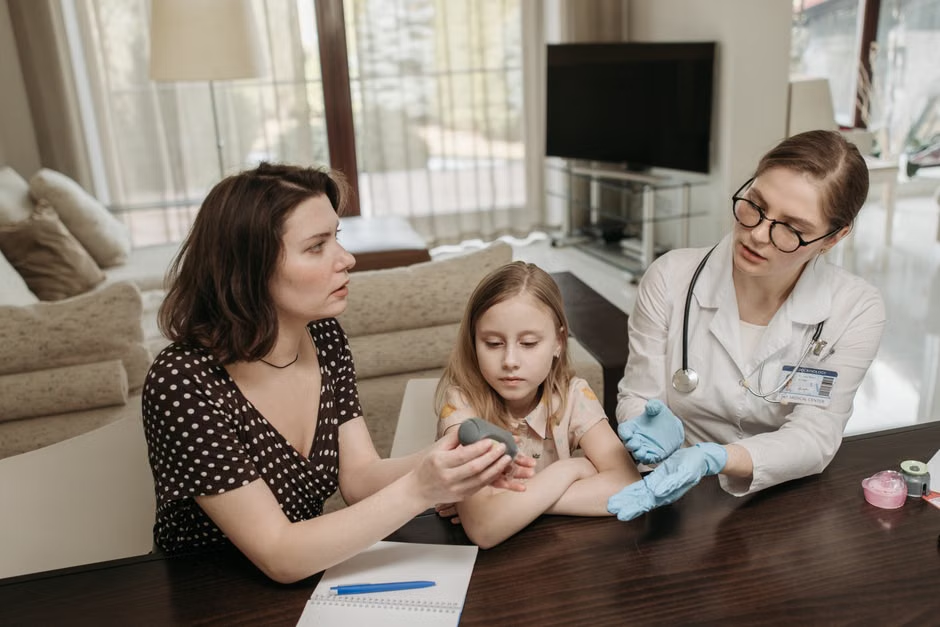
Helping your children cope when a sibling is ill requires patience, open communication, and a conscious effort to include them. It’s about creating a space where they feel safe to express their complex emotions without judgment. We know how overwhelming it can be when you’re already stretched thin, but these steps can make a real difference in their emotional well-being.
One of the most powerful tools you have is honest, age-appropriate communication. Don’t hide the truth, but present it in a way they can understand. For example, the Mayo Clinic emphasizes that open dialogue is crucial for children and teens facing difficult family situations, helping them process information and feel less anxious.
It’s important to remember that feelings are never right or wrong; they just are. Validate their emotions, even if they seem confusing or contradictory. Acknowledge their sadness, their fear, or even their anger. This validation helps them feel seen and understood, which is a cornerstone of our work at Victory by Vivian.
How to Cope With a Critically Ill Family Member?
Coping with a critically ill family member is a profound challenge that impacts everyone, especially children. Parents and caregivers play a crucial role in modeling resilience and providing a stable, supportive environment. It’s about balancing the intense needs of the ill child with the equally valid, though sometimes quieter, needs of other family members.
This includes ensuring that siblings have continued routines, opportunities for fun, and dedicated time with parents. Sometimes, it means seeking out external support, like therapy or support groups, for yourself and your children. Our experience walking with families has shown us that sharing the burden makes it lighter, for everyone involved. We encourage families to explore all available resources, whether it’s through our organization or other community partners, to ensure no parent has to choose between love and life.
Practical Tips for Supporting Siblings
Creating a supportive environment for siblings doesn’t require grand gestures, but rather consistent, thoughtful actions. These tips can help you foster an atmosphere of understanding and resilience.
- Maintain Routines: Consistency provides comfort and a sense of normalcy when everything else feels chaotic. Stick to bedtimes, meal times, and school schedules as much as possible.
- Dedicated One-on-One Time: Even 15-20 minutes of undivided attention can make a huge difference. Read a book, play a game, or just talk about their day. Let them choose the activity.
- Encourage Open Communication: Create opportunities for them to ask questions and express feelings. Use phrases like, “It’s okay to feel sad/angry/confused,” and “What’s on your mind today?”
- Involve Them Appropriately: Depending on their age, involve them in simple ways, like helping choose a book for their ill sibling, drawing pictures, or small acts of care. This gives them a sense of purpose and belonging.
- Connect with Other Siblings: If possible, help them connect with other children who have a sibling with a medical condition. Support groups or camps can be incredibly validating.
- Seek Professional Support When Needed: If you notice persistent signs of distress, consider counseling or therapy for your child. A mental health professional can provide strategies for coping with anxiety and coping with depression effectively.

Considering Alternatives and When to Seek Specialized Help
While parents are the primary source of support for their children, there are times when specialized help becomes essential. This isn’t a sign of failure; it’s a testament to your commitment to your children’s well-being. Sometimes, a child needs a neutral, trained professional to help them process their thoughts and emotions.
Family therapy, individual counseling for the sibling, or specific support groups designed for siblings of chronically ill children can offer invaluable tools and a safe space. A licensed therapist can provide coping strategies for anxiety and depression that are tailored to your child’s specific needs. As co-founder Michael Clain often reminds us, we are here to walk with families, and part of that walk involves knowing when to lean on other experts for specialized guidance. Victory by Vivian also works to connect families with a network of resources, understanding that comprehensive support often requires a team approach.
Remember, the goal is not to eliminate all pain or difficulty, but to equip your child with the skills to navigate these challenges in a healthy way. This proactive approach strengthens not just the individual child, but the entire family system.
What to Expect: A Realistic Timeline for Sibling Adjustment
Healing and adjustment for siblings isn’t a straight line; it’s a journey with its own unique pace for each child. There’s no fixed timeline, but understanding that it takes time can help manage expectations and reduce frustration.
Initially, you might see an immediate reaction to the crisis, followed by periods of relative calm and then resurfacing emotions. It’s common for siblings to experience waves of grief, fear, or anger for months or even years, especially as their understanding of the situation evolves with their age. We’ve learned through our many “Viv’s Kids” families that ongoing support, not just immediate crisis intervention, is key. Children may need to revisit their feelings and coping mechanisms at different developmental stages.
Realistic expectations mean understanding that setbacks are possible. A child might seem to be coping well for a while, only for a new medical event or even a simple conversation to trigger old anxieties. Your consistent presence, open communication, and willingness to seek help are the most powerful tools for fostering long-term resilience. The aim is steady progress, not instant resolution, creating a lasting foundation of support for your family. You can find more about our ongoing care and support process on our main website, Victory by Vivian.
“Children are incredibly resilient, but their ability to cope with family stressors is significantly enhanced by clear communication, consistent routines, and emotional validation from caregivers.”
No child should fight alone, and no family should feel isolated when facing a pediatric medical crisis. Supporting a sibling through their brother or sister’s illness is an act of deep love and an investment in your family’s enduring strength. By acknowledging their feelings, providing practical tools, and reaching out for help when needed, you’re helping them build resilience that will serve them throughout their lives. Victory by Vivian is here to walk with your family, offering the practical help and emotional support that lets you concentrate on your children, knowing you’re not navigating this difficult path alone. Discover how we can stand with your family by visiting our website and learning about our mission.