

When a child faces a critical illness, the news can feel like a tidal wave, washing away everything familiar. Suddenly, you’re thrust into a world of medical terms, complex machines, and intense worry. It’s a journey no parent ever expects or wants to take, especially when your little one requires care in the Intensive Care Unit (ICU). The sheer intensity of the environment, combined with the fear for your child’s well-being, can be profoundly isolating.
We understand that feeling. We know the weight of those moments, the unanswered questions, and the desperate need for clear information and unwavering support. At Victory by Vivian, we stand with families like yours, offering practical help, emotional support, and lasting hope as you navigate these incredibly difficult times.
Our mission is to ensure that no child fights alone, and no parent has to face this medical crisis without a hand to hold. If your child is heading to the ICU, or already there, it’s natural to feel overwhelmed. We’re here to help you understand what pediatric ICU care entails, how it works, and how you can best support your child and yourself. We’ve supported many families through these periods, including parents navigating their first days in the NICU admission, offering guidance and comfort every step of the way.
What Exactly Is an ICU?
An Intensive Care Unit (ICU) is a specialized hospital department designed to provide critical care medicine for patients with severe or life-threatening illnesses and injuries. It’s equipped with advanced monitoring devices and staffed by highly trained healthcare professionals who can provide constant supervision and immediate medical intervention.
The ICU is where children with the most serious conditions receive constant, vigilant care. It’s a place of intense focus, where every detail matters. According to the Mayo Clinic, the goal of ICU care is to “restore a patient’s health and maintain the function of their vital organs.” This means complex treatments, constant monitoring of heart rate, breathing, blood pressure, and other vital signs, and often, life support equipment. It can be intimidating for parents to see their child surrounded by so much technology, but each piece is there to help stabilize and heal them.
What Kind of Patients Are in ICU?
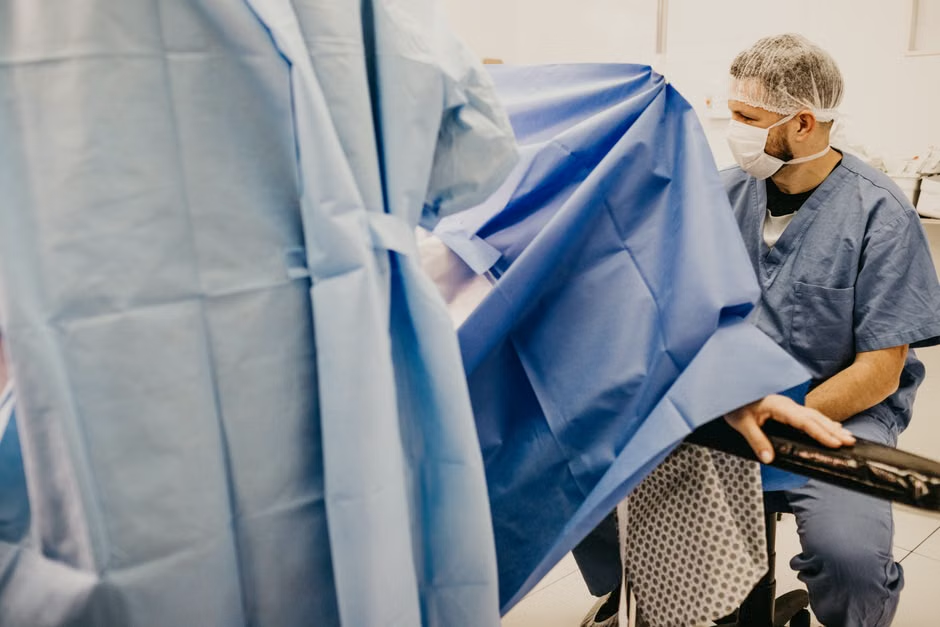
Patients in the ICU are typically those who are critically ill, unstable, or at high risk of developing life-threatening complications. This can include children recovering from major surgery, those with severe infections, respiratory failure, or serious injuries. The range of conditions is wide, but all require an elevated level of medical attention that can’t be provided in a standard hospital ward.
In pediatric ICUs (PICUs), you might see children with a wide array of severe medical issues. This includes infants with congenital heart disease, children suffering from severe asthma attacks, those with traumatic brain injuries, or even kids battling severe infections like sepsis. We’ve walked with families whose children faced conditions like OEIS (Omphalocele, Exstrophy of the cloaca, Imperforate anus, Spinal defects) and Epidermolysis Bullosa, requiring extended periods of intensive care. Each child’s journey is unique, but the need for specialized, round-the-clock monitoring and intervention is what brings them to the ICU.
How Does ICU Care Work?
ICU care operates on a principle of continuous assessment, rapid response, and specialized intervention. A multidisciplinary team works together to manage your child’s condition, constantly adjusting treatments based on their response. This team often includes intensivists (doctors specializing in critical care), nurses, respiratory therapists, pharmacists, nutritionists, and social workers.
The core of ICU care involves advanced monitoring and life support systems. Your child might be connected to machines that assist breathing (ventilators), monitor heart activity (ECG), measure oxygen levels (pulse oximetry), and track blood pressure. Medications are often administered continuously through IVs to manage pain, blood pressure, or infection. Every piece of equipment, every medication, serves a specific purpose in stabilizing and supporting your child’s body while it fights to recover. Our operational support process ensures that families also get the support they need, often within 7 days of a request, so you can focus on your child.
“The presence of parents in the ICU can help reduce stress and anxiety for critically ill children, contributing to better outcomes and a more holistic healing environment.”
Can Family Stay Overnight in ICU?
Many pediatric ICUs now embrace family-centered care, recognizing the vital role parents play in a child’s recovery and emotional well-being. While policies vary by hospital and even by unit, it’s increasingly common for at least one parent to be allowed to stay overnight, often in a sleep chair or pull-out bed next to their child’s bedside. It’s a testament to the belief that families are not just visitors, but integral members of the care team.
Being present with your child offers comfort, allows you to ask questions as they arise, and helps maintain a sense of normalcy in an abnormal situation. We strongly encourage parents to ask about visitation policies and family accommodations as soon as possible. Knowing you can be there, even just sleeping nearby, can make a world of difference for both you and your child. We’ve seen firsthand how the quiet presence of a parent can soothe a child more effectively than any medication.
What to Look For: Signs Your Child May Need Intensive Care
While the decision for ICU admission is made by medical professionals, understanding the general signs of critical illness can help you grasp the seriousness of the situation. These signs indicate that a child’s body is struggling to maintain vital functions and requires immediate, high-level support:
- **Significant Breathing Difficulties:** Rapid, labored breathing; grunting, flaring nostrils, or retractions (sinking in of the chest wall with each breath).
- **Severe Changes in Consciousness:** Unresponsiveness, extreme drowsiness, confusion, or difficulty waking your child.
- **Unusual Skin Color or Temperature:** Pale, mottled, or bluish skin, especially around the lips or fingertips; extremely cold extremities despite being warm.
- **Persistent High Fever with Other Symptoms:** A very high fever accompanied by lethargy, rash, or difficulty breathing, especially if unresponsive to fever reducers.
- **Severe Dehydration:** Infrequent urination, dry mouth, lack of tears, or sunken soft spot on an infant’s head, combined with vomiting or diarrhea.
- **Uncontrolled Seizures:** Seizures that last longer than a few minutes or occur in rapid succession without full recovery in between.
- **Sudden, Severe Pain:** Unexplained, intense pain, particularly in the abdomen or chest, especially if accompanied by other concerning symptoms.
If you observe any of these symptoms, it’s crucial to seek immediate medical attention. Never hesitate to call for help when your child’s health is at risk.
Chances of Surviving ICU: A Nuanced Perspective
Discussing survival rates in the ICU can be incredibly difficult, and it’s important to approach this topic with realism and compassion. The chances of survival are highly specific to each child’s condition, the underlying illness or injury, their age, overall health, and the specific interventions required. There isn’t a single “ICU survival rate” because the unit houses such a diverse range of critically ill patients.
For some conditions, like certain post-surgical recoveries, survival rates can be very high. For others, particularly those involving multi-organ failure or severe trauma, the prognosis may be more guarded. We’ve seen children make incredible recoveries against all odds, and we’ve also walked with families through the most difficult goodbyes. The medical team will provide you with the most accurate and personalized information about your child’s specific situation. Our role is to offer support, regardless of the path your child’s journey takes, ensuring you feel less alone in the process.
“While advancements in critical care have significantly improved outcomes, the severity and nature of the underlying illness remain the strongest predictors of survival for patients in the ICU.”
Navigating the Hospital Journey and What to Expect After ICU
The journey through critical illness doesn’t end when your child leaves the ICU. Often, they’ll transition to a step-down unit or a regular hospital floor before being discharged home. This transition can bring its own set of anxieties as the intense, one-on-one care of the ICU is replaced with a less frequent, though still attentive, level of monitoring. During this time, the focus shifts towards rehabilitation, managing ongoing symptoms, and preparing for life at home.
What can you expect after the ICU? It’s a road to recovery, which might involve physical therapy, occupational therapy, speech therapy, or even special feeding plans. For children with complex conditions like Cerebral Palsy, post-ICU care can be extensive. The timeline for recovery varies greatly—it could be weeks, months, or even years of ongoing care. Be prepared for a new normal, where your child may have different needs and abilities than before. We are still strolling with your family, providing advice, support, and encouragement as your life progresses, helping with resources like understanding medical insurance and connecting you with ongoing services.

Practical Tips for Parents in the ICU
Being a parent in the ICU is one of the hardest roles imaginable. Here are some practical tips that can help you cope and advocate for your child:
- **Communicate Constantly:** Talk to the nurses and doctors. Ask questions, even if you think they’re small. You are an essential part of the care team.
- **Take Notes:** Keep a small notebook to jot down names of staff, medications, procedures, and questions you have. It’s easy to forget details in stressful situations.
- **Advocate for Your Child:** You know your child best. If something feels off, speak up. We covered this in our guide on how to advocate for your child in the hospital.
- **Prioritize Self-Care (Even Small Bits):** Take short breaks. Step away for fresh air, grab a coffee, or eat a proper meal. You need energy to be there for your child.
- **Connect with Support Systems:** Lean on family, friends, and organizations like Victory by Vivian. Don’t carry this burden alone.
- **Stay Hopeful, But Realistic:** Maintain a positive outlook, but also prepare yourself for the possibility of setbacks. This balance helps you navigate the emotional rollercoaster.
The path through a child’s critical illness is rarely smooth, but you don’t have to walk it alone. Victory by Vivian is here to offer a hand, whether it’s through direct support, helping with practical needs, or simply providing a compassionate ear. We believe in the strength of families, and we’re committed to standing with you, providing the assistance you need so you can concentrate on your child’s recovery. Remember, our cross is to walk with families, providing practical help, emotional support, and lasting hope through every step of your journey.